 von
Introduction and Personal Story
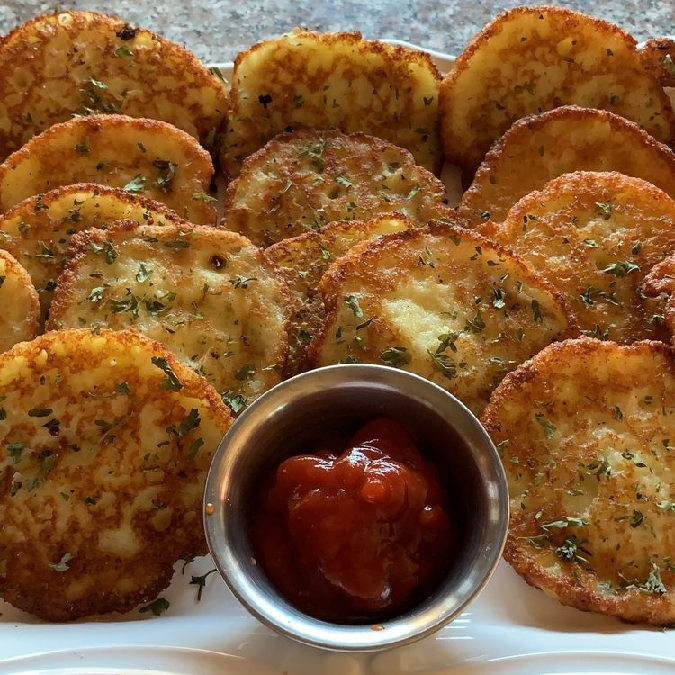
Potato pancakes are more than just a simple dish; they are a culinary tradition deeply rooted in various cultures around the world. Whether you know them as Latkes in Jewish cuisine, Reibekuchen in Germany, Draniki in Eastern Europe, or Kartoffelpuffer, they all share one thing in common—crispy perfection with a tender, flavorful interior.
I remember my grandmother making these golden beauties on cold winter evenings. She would grate the potatoes by hand, insisting that the texture was better this way, and mix them with onions, eggs, and just the right amount of flour to hold everything together. The smell of sizzling pancakes in a hot skillet filled the kitchen with warmth and comfort. We would eat them fresh off the pan, served with applesauce or sour cream, and nothing tasted better on a chilly evening.
Today, I am sharing this classic potato pancake recipe with a few modern twists, some expert tips, and serving suggestions to help you create the crispiest and most flavorful pancakes at home.
Ingredients (Serves 4-6)
- 2 ½ pounds (about 1.1 kg) Russet potatoes, peeled and finely grated
- 1 medium yellow onion, grated
- 2 large eggs, beaten
- 1 teaspoon salt (adjust to taste)
- ¼ teaspoon black pepper
- ¼ cup (30g) all-purpose flour (for binding)
- ½ teaspoon baking powder (optional, for extra crispiness)
- Vegetable oil for frying
Instructions: How to Make the Perfect Potato Pancakes
1. Prepare the Potatoes
- Grate the potatoes using a box grater or a food processor. If using a food processor, a coarse shredding disc is recommended for a perfect balance of crispiness and texture.
- Once grated, place the potatoes in a clean kitchen towel and squeeze out as much liquid as possible. The drier the potatoes, the crispier the pancakes will be.
- For an extra crispy texture, let the squeezed-out potato liquid settle for a few minutes in a bowl. You’ll notice starch settling at the bottom—carefully drain the liquid and add the starch back into the potato mixture.
2. Mix the Batter
- In a large bowl, combine the grated potatoes, grated onion, eggs, salt, pepper, flour, and baking powder.
- Stir until the mixture is evenly coated and sticks together slightly. If it feels too wet, add a little more flour, one tablespoon at a time.
3. Heat the Oil
- Pour enough vegetable oil into a large skillet to create a shallow frying layer (about ¼ inch deep).
- Heat the oil over medium-high heat until it shimmers but is not smoking (about 350°F / 175°C). A small drop of batter should sizzle immediately when added.
4. Shape and Fry the Pancakes
- Using a spoon, scoop about ⅓ to ½ cup of the potato mixture and carefully place it into the hot skillet. Flatten gently with the back of the spoon to form a pancake.
- Fry for about 3 to 5 minutes per side, or until golden brown and crispy.
- Transfer the pancakes to a plate lined with paper towels to drain excess oil.
5. Serve and Enjoy
Potato pancakes are best served immediately while hot and crispy. Classic toppings include:
- Sour cream (a timeless choice)
- Applesauce (a traditional German accompaniment)
- Fresh herbs (chives or parsley for added flavor)
- Smoked salmon and cream cheese (for a gourmet touch)
Variations and Flavor Enhancements
- Cheesy Delight: Add ½ cup of shredded cheese (Cheddar, Parmesan, or Gruyère) to the batter for a richer, melt-in-your-mouth experience.
- Garlic Lover’s Twist: Mix in 1 minced garlic clove for a bold flavor.
- Spicy Kick: Add a pinch of cayenne pepper or smoked paprika for a smoky, spicy variation.
- Gluten-Free Version: Substitute all-purpose flour with potato starch or almond flour for a gluten-free option.
- Vegan Alternative: Replace eggs with a flaxseed mixture (1 tablespoon ground flaxseed + 3 tablespoons water for each egg).
Cultural and Historical Background
Potato pancakes have an incredibly rich history across many countries:
- In Jewish cuisine, latkes are traditionally prepared for Hanukkah, symbolizing the miracle of oil.
- In Germany, Reibekuchen are often sold at street fairs and Christmas markets, served with apple compote.
- In Eastern Europe, Draniki are a staple in Belarusian, Russian, and Ukrainian kitchens, sometimes filled with meat or mushrooms.
Historically, potatoes were an affordable and accessible ingredient for many lower-income households in Europe. Over time, these humble pancakes evolved from a simple peasant dish to a beloved specialty found in both home kitchens and high-end restaurants.
Expert Tips for the Best Potato Pancakes
✅ Use Starchy Potatoes: Russet potatoes are ideal due to their high starch content, which helps hold the pancakes together and crisp up beautifully.
✅ Drain the Potatoes Well: Too much moisture results in soggy pancakes. Squeeze out as much liquid as possible for the best results.
✅ Keep the Oil Hot but Not Smoking: The ideal frying temperature is 350°F (175°C). If the oil is too cool, pancakes absorb too much oil and turn greasy. If it’s too hot, they burn before cooking through.
✅ Don’t Overcrowd the Pan: Fry in batches to maintain consistent oil temperature and ensure even cooking.
✅ Reheat for Maximum Crispiness: If making ahead, reheat in a preheated oven at 375°F (190°C) for 10 minutes to restore crispiness.
Conclusion: A Dish That Never Goes Out of Style
Potato pancakes are a simple yet delicious dish that has stood the test of time. Whether served as an appetizer, a side dish, or even a main course with creative toppings, their crispy golden perfection is irresistible.
No matter how you prepare them, potato pancakes bring nostalgia, comfort, and flavor to the table. Try this recipe today, and make them part of your family’s cherished food traditions!