 von
When you pick up a piece of fruit at the supermarket, you probably notice the tiny sticker attached to it — but have you ever really looked at the numbers printed there? Most people assume these numbers are just for cashier scanning, but they actually reveal much more. From indicating whether a product is organic to subtly hinting at genetic modification, the PLU (Price Look-Up) codes on fruits and vegetables offer a surprising amount of information that both consumers and retailers can use to their advantage.
What Does „PLU“ Really Mean?
PLU stands for Price Look-Up. These codes were established to streamline the checkout process by providing a quick reference for cashiers, ensuring that the correct price is applied without manual input. Beyond speeding up sales, PLU codes also help differentiate between:
- Organic and non-organic produce
- Different varieties of the same fruit or vegetable
- Size classifications within a type of produce
Understanding these codes can empower shoppers to make more informed choices — without ever needing to ask an employee or read complicated labels.
Decoding the Numbers: 4 Digits vs. 5 Digits
A standard PLU code typically has four digits, and these are not randomly assigned. Each number corresponds to a specific item across global supply chains.
- Example: A conventional banana is often labeled with the code 4011.
However, when it comes to organic produce, you’ll notice a subtle but important change:
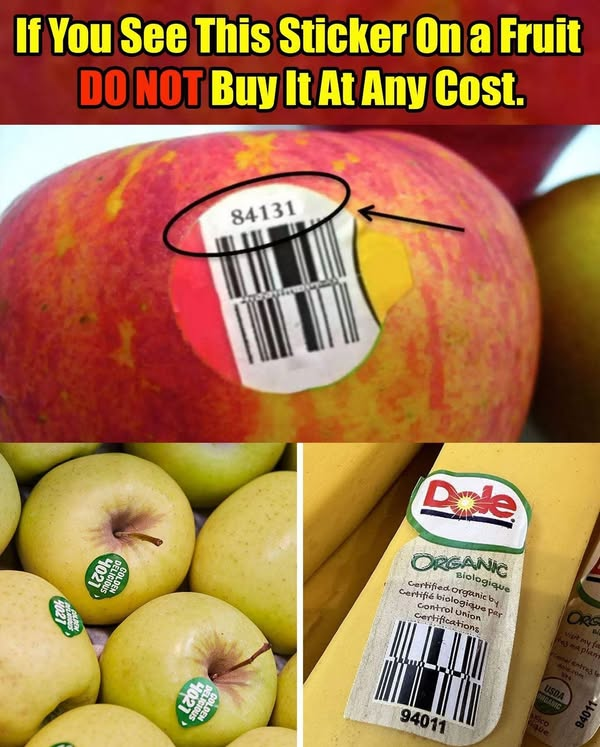
- Organic items have a five-digit PLU code that always starts with a „9.“
- Example: An organic banana would carry the code 94011.
This small addition immediately signals to both cashiers and consumers that the fruit or vegetable was grown without synthetic pesticides or fertilizers, following organic farming standards.
The Mysterious Number ‚8‘
You might occasionally hear discussions about PLU codes starting with the number 8. Originally, codes beginning with an „8“ were designated for genetically modified organisms (GMOs).
- Example (theoretical): A genetically modified banana might have been labeled 84011.
In practice, however, this designation was never widely implemented. Retailers and producers rarely, if ever, used „8“ codes at scale. As a result, the „8“ prefix has largely faded from consumer awareness — but it’s still officially reserved for potential future use, especially if the need to differentiate GMO products grows.
Important Note: Just because you don’t see an „8“ doesn’t mean GMO products aren’t present. GMO labeling varies by country and product.
Why This Matters to You as a Shopper
Being able to quickly read and interpret PLU codes can help you:
- Verify Organic Claims: Some items may be marketed as „natural,“ but only a PLU starting with „9“ confirms organic certification.
- Understand Pricing: Heirloom, specialty, or larger produce varieties often carry different PLU codes (and prices) compared to standard items.
- Make Healthier Choices: Conscious consumers aiming to avoid GMOs or conventionally farmed produce can use these codes as a subtle guide.
Pro Tip: When shopping at farmers‘ markets or local stores where PLU stickers aren’t common, don’t hesitate to ask vendors directly about growing practices.
Final Thoughts: The Power Behind Those Tiny Stickers
Next time you’re at the grocery store, take a closer look at those humble little stickers. Behind each code lies a world of information designed to streamline commerce, support organic farming transparency, and, ultimately, help you make smarter food choices.
The more you understand about your food, the better decisions you can make for your health, your budget, and the environment. So go ahead — impress your friends with your „fruit sticker decoding“ skills and shop with confidence!