 von
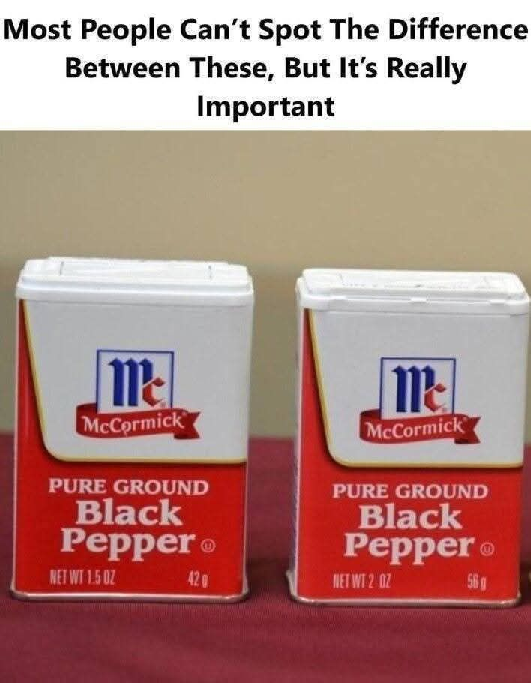
At first glance, they look identical. Same iconic red-and-white McCormick branding, same metal tin, same shelf position in your local grocery store. But look closer. One tin contains 2 ounces (56g) of black pepper. The other? Just 1.5 ounces (42g).
That’s a 25% reduction in product. And here’s the kicker: both tins are being sold at the same price.
Welcome to the world of shrinkflation — the silent price hike that millions of consumers fall victim to every single day. In this comprehensive guide, we’ll explore how visual packaging tricks manipulate buyers, how to spot these tactics, and why understanding them is more important now than ever.
1. The Pepper Tin Controversy: What’s Really Happening?
McCormick is a household name. Trusted, familiar, and visible in almost every pantry. But when shoppers started noticing that their pepper tins were getting lighter, questions arose.
The company had quietly shrunk the content from 2 oz to 1.5 oz, without changing the overall look of the packaging. No clear announcement. No major design changes. The only visible indicator was the small net weight printed in fine print — something most busy shoppers overlook.
It’s a classic case of „same look, less product.“
This tactic isn’t just limited to pepper. It’s part of a larger, widespread phenomenon affecting nearly every aisle in your supermarket.
2. What Is Shrinkflation – And Why Should You Care?
Shrinkflation = Less Product + Same or Higher Price
Shrinkflation is when companies reduce the size, volume, or quantity of a product but keep the price the same — or even raise it.
This sneaky tactic is most common in:
- Snacks and cereals (smaller bags, fewer chips)
- Toiletries (less shampoo or toothpaste)
- Household goods (thinner rolls of toilet paper)
- Spices and seasonings (like the McCormick example)
Why it’s concerning:
- You’re spending more over time without realizing it
- It distorts competition by creating false value
- It exploits consumer trust in brand consistency
In times of inflation, companies often use shrinkflation to avoid raising prices outright. It feels „less noticeable,“ but in reality, it affects your wallet just as much—or more.
3. 5 Warning Signs You’re Getting Less Than You Paid For
How do you know when shrinkflation is happening? Look out for these red flags:
- The product feels lighter than usual, even though it looks the same
- Tiny net weight print — usually in the bottom corner, easy to miss
- You’re buying more often than before without changing usage
- New packaging appears, but the size or volume is never highlighted
- Other brands offer more for the same price
Once you start paying attention, you’ll notice these signs everywhere.
4. How to Outsmart Shrinkflation: Be a Savvy Shopper
You don’t have to fall for these tricks. Here are practical ways to fight back:
🔍 Always Check the Net Weight
Don’t assume the size based on the package. Read the label closely.
📊 Compare Price Per Ounce or Gram
Many stores now list price per unit on the shelf tag. Use it to compare real value.
📱 Use Price Comparison Tools
Apps like ShopSavvy or Flipp help track unit prices and detect shrinkflation trends.
🌟 Support Transparent Brands
Companies like Watkins now market their honesty by using clear containers that show exactly how much product is inside.
In fact, Watkins directly called out McCormick for its opaque tins, claiming it created an illusion of more product than there actually is.
5. Real-World Example: McCormick vs. Watkins
Let’s do a direct comparison:
- McCormick Black Pepper: 1.5 oz in a traditional opaque tin, same price as previous 2 oz version
- Watkins Black Pepper: 2 oz in a transparent jar, same price, visibly more product
When placed side-by-side, the difference is obvious — if you’re paying attention.
But that’s the problem: most people aren’t.
6. Health Bonus: Black Pepper Morning Elixir
Now that you’re armed with shopping knowledge, here’s a simple, powerful way to use black pepper for your health and wellness.
🌿 Morning Fat-Burning & Detox Drink
Ingredients:
- 1/2 tsp ground black pepper
- 1 tsp grated fresh ginger
- 1 tsp turmeric powder
- Juice of 1/2 lemon
- 1 tsp honey
- 1 cup warm water
Instructions:
- Mix all ingredients into warm (not hot) water
- Stir well and drink first thing in the morning on an empty stomach
Why it works:
- Black pepper boosts metabolism and improves nutrient absorption
- Ginger and turmeric reduce inflammation
- Lemon helps detox the liver
- Honey adds natural sweetness and soothes digestion
Many swear by this elixir for:
- Morning energy
- Flat stomach
- Stronger immune system
Try it for a week and see the difference!
7. Final Thoughts: It’s Not Just About Pepper
This isn’t just a black pepper story. It’s a wake-up call.
In today’s world of hyper-marketing and flashy packaging, being an informed shopper is your superpower. Shrinkflation, visual manipulation, and silent price hikes are becoming more and more common — and only awareness can help stop them.
Key Takeaways:
- Always read labels, weights, and ingredient lists
- Don’t judge a product by its packaging alone
- Compare unit prices, not total prices
- Reward brands that offer full transparency
Every dollar you spend is a vote for the kind of market you want. Don’t just shop. Shop smart.
Next time you reach for that familiar tin of spice, ask yourself: „Is this really what it used to be?“
Chances are, it’s not.